
One of the most important aspects of training and exercise is good recovery. After you’ve done all of the hard work with your training and fitness program, you need to let your body rest and adapt properly. Without good recovery, your body will simply become more and more over worked and exhausted.
A healthy, balanced diet, hydration, relaxation and good sleep are all vitally important. But with time pressure and stress of every day life, some of these things can be difficult to achieve. As a result, some athletes are turning to medications like benzodiazepines to help with their recovery.

WHAT ARE THEY?
Benzodiazepines are a prescription only class of relaxant medications. Possibly the most commonly known benzodiazepine is Valium (diazepam). These medications are often used for anxiety and sleep disorders, as well as quite a few other medical conditions affecting the central nervous system.
Benzodiazepines work on the Central Nervous System (CNS), by enhancing the effects of GABA (Gamma AminoButyric Acid), which is one of the main neurotransmitters responsible for calming the CNS. This leads to the sedating and relaxant effects of benzodiazepines.
POSSIBLE BENEFITS
For athletes who struggle with some aspects of recovery, or for those looking to enhance their recovery, benzodiazepines may seem like a good option. Providing assistance with sleep, and having muscle relaxant properties, benzodiazepines could, in theory, help with muscle recovery after a big training session.
Poor sleep and insomnia are known to have a negative effect on sporting performance. And after a heavy training session, muscle soreness and spasms can sometimes be present. Benzodiazepines could help with both of these issues. In addition, pre-event anxiety could be calmed.
However, the use of these medications for sports recovery (and for use in sport) is probably not the smartest choice, as there are a few issues of concern.
ISSUES WITH USE
Firstly, these medications are highly addictive, with many health problems arising as a result of long term use:
- Anxiety
- Depression
- Memory loss
- Fatigue
- Aggression
- Sleep issues
- Nausea
- Headaches
Many people become addicted or dependent on these types of medications; and the symptoms from benzodiazepine withdrawal are similar to the above list, which can present for quite a while.
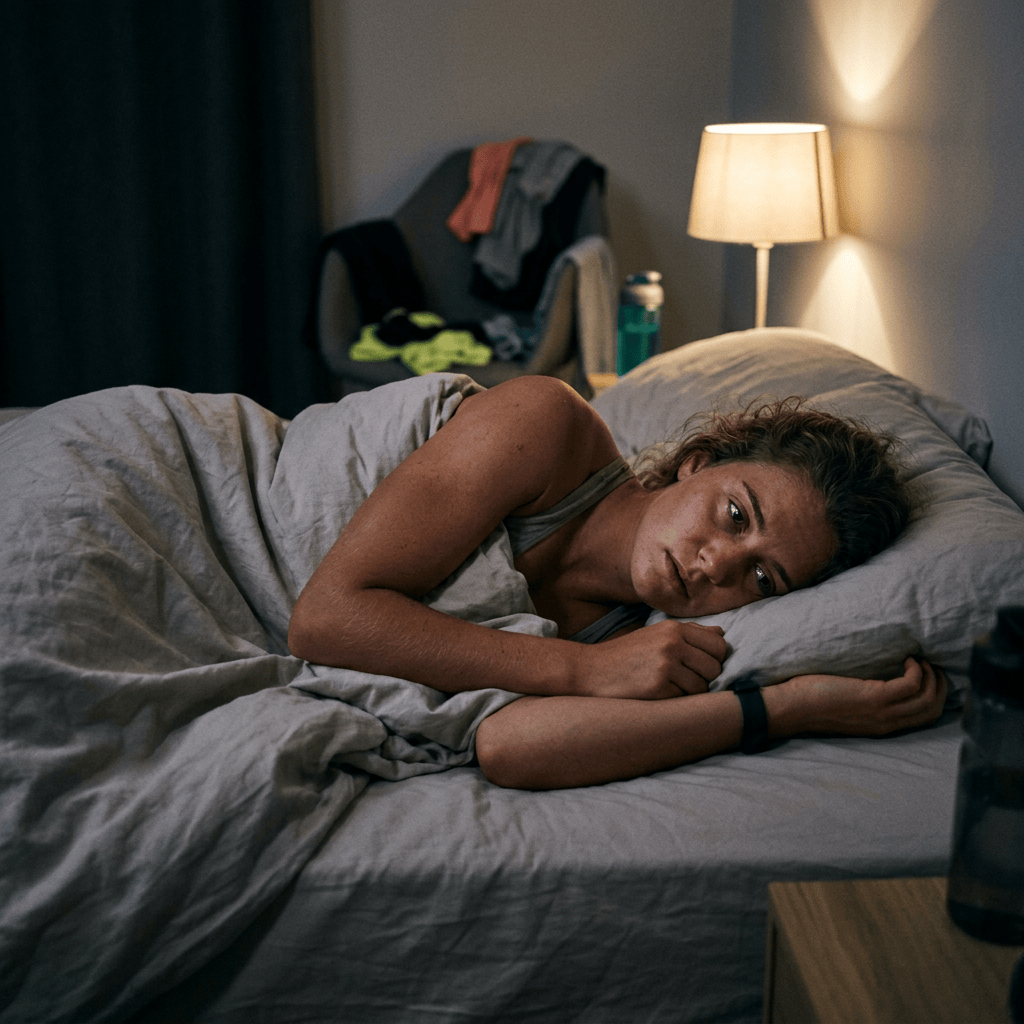
While they may assist with sleep quality in the short term, over longer periods of use sleep quality can be negatively affected; which obviously isn’t a good thing. They can also lead to drowsiness the next day, which is also not an ideal scenario, especially for athletes who need to focus when training or competing.
As a muscle relaxant, they can help to relieve tight and stiff muscles. However, this also has negative health impacts. The muscle relaxant properties may actually lead athletes to train sore/strained muscles, resulting in injury and a longer recovery time.
Benzodiazepines are also banned for use in competition by WADA. For any athletes taking these medications on a regular basis, or for those who become addicted/dependent, it may lead to failing an anti-doping test. The repercussions of that aren’t great for anybody’s sporting endeavours.
SHOULD THEY BE USED BY ATHLETES?
The use of benzodiazepines by athletes is not widely documented, but there is definitely potential for misuse and abuse. Athletes should know that there are no real short cuts when it comes to improving performance, and relying on medications to do so is not the answer. For those who struggle with recovery, benzodiazepines are not the best solution.

The first thing you can do is have a chat to your doctor, to make sure there are no underlying health conditions which may be affecting your recovery.
There are simpler methods which can be tried for issues with sleep, many of which are known to assist with sleep quality and sleep duration. Sleep clinics can also be of assistance with problematic sleeping.
Traditional methods such as stretching, massage, and sauna can assist with muscle fatigue and recovery. A healthy, balanced diet, and supplements such as magnesium, can also help with muscle recovery.
And sometimes, you just need to listen to your body and take a proper period for rest and recovery.
 The Sports Pharmacist